











<img alt="" src="https://secure.moat4shot.com/222772.png" style="display:none;">
Skip to content
 
EXPERIENTIAL LEARNING FOR BUSINESS EDUCATION
 

Business Simulations for Higher Education

Give students the experience of running a business before their careers begin.

StratX simulations turn business theory into team-based decisions, competitive strategy and measurable results. Students analyze realistic markets, make decisions and experience the consequences in a risk-free environment.

Designed for undergraduate, master’s, MBA and EMBA courses in marketing, strategy, innovation, digital business, negotiation and sustainability.


Business simulations for higher ed
 
Experiences from one hour to multiple sessions 


Individual and team-based formats 


Online, blended or classroom delivery 


Instructor onboarding and support included 


Used by educators and institutions across 80+ countries.  


Trusted by Leading Business Schools Worldwide


Students do not just study business. They run it.

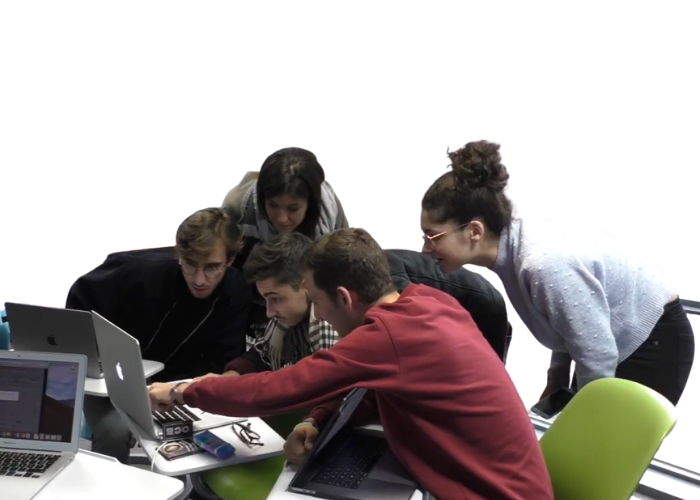
Students take responsibility for a fictitious company operating in a realistic competitive market. Working individually or in teams, they interpret data, make strategic decisions and see how customers and competitors respond.


Simulation Mockups (20)


Students do not just study business. They run it.

Students take responsibility for a fictitious company operating in a realistic competitive market. Working individually or in teams, they interpret data, make strategic decisions and see how customers and competitors respond.


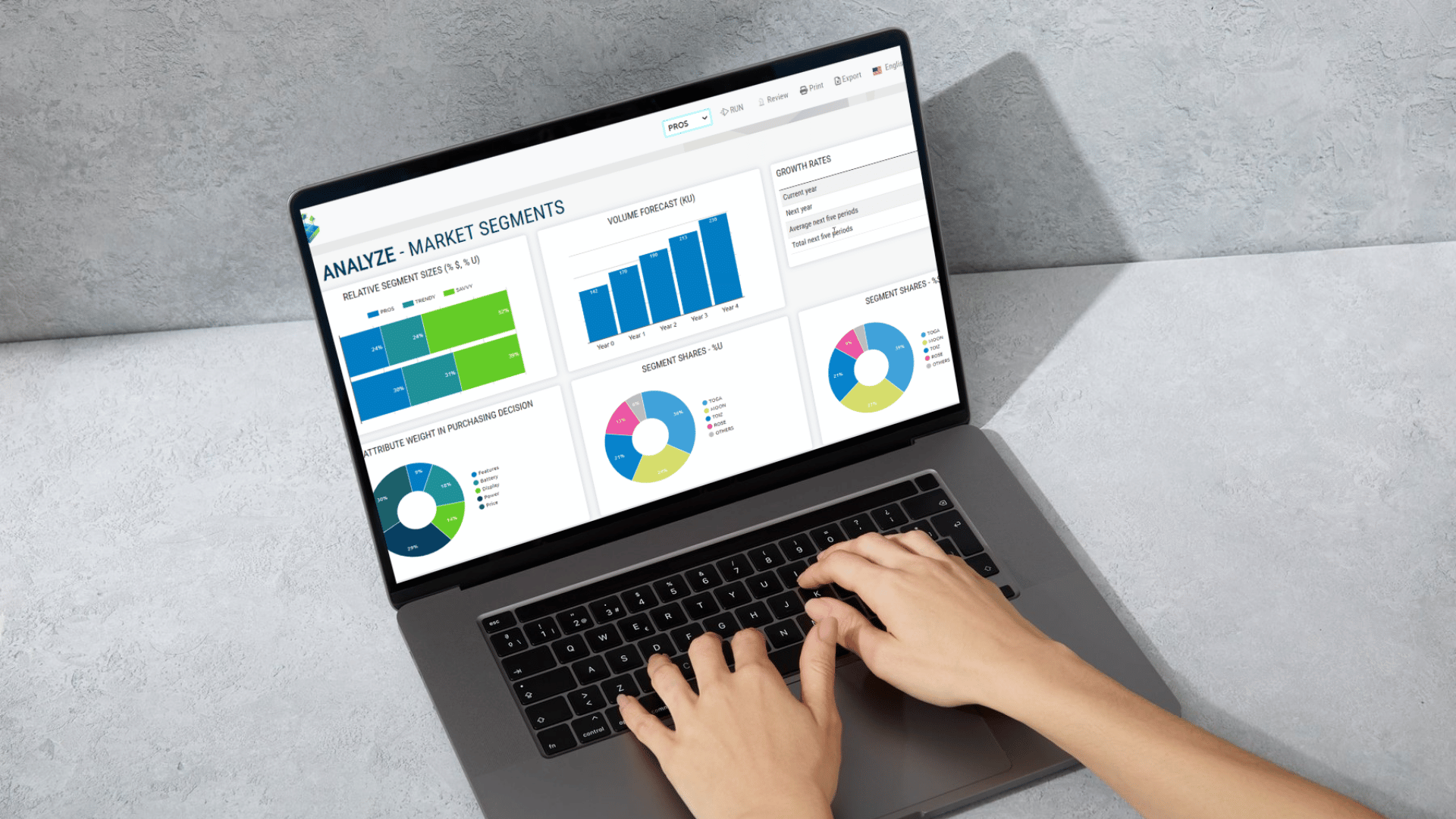
Analyze 

 Analyze 

Study customers, competitors, financial results and changing market conditions. 

Decide 

 Decide 

Set priorities and make interconnected strategic and commercial decisions. 

Compete 

 Compete 

Respond to other teams and adapt as the simulated market evolves.

Reflect 

 Reflect 

Connect decisions with results through feedback, discussion and instructor-led debriefing. 


Better Learning for Students. Easier Integration for Instructors.

Portrait of a happy female student using laptop computer in university

 Benefits for students 

  • Apply business theory in realistic situations

  • Strengthen strategic and analytical thinking

  • Make decisions with incomplete information

  • Understand the connections between business functions

  • Develop teamwork, communication and leadership skills

  • Learn from consequences without real-world risk

  • Build confidence for internships and future careers

instructor

 Benefits for instructors 

  • Bring abstract concepts to life

  • Increase participation and classroom discussion

  • Adapt the experience to different course levels

  • Track decisions and performance over time

  • Use results to structure meaningful debriefs

  • Access onboarding, teaching materials and ongoing support

  • Deliver online, in person or through a blended format 


Discover our topic-focused simulations for academic programs 


INSTRUCTOR SUPPORT

 From Course Objectives to Classroom Delivery 

Tell us what you teach

Share your course level, subject, learning objectives and available time.

Select the simulation

We help you identify the experience and scenario that best fit your students.


Prepare your course

Receive instructor onboarding, teaching materials and guidance on structuring the experience.

Launch with support

Set up your course and access dedicated support before and during delivery.

Debrief the experience

Use participant results and market outcomes to connect the simulation with your course frameworks.


Simulation Challenges

Our simulations aren't only a great way to learn, but they also create a fantastic competitive spirit, enhance class stimulation and create the perfect business challenge. We design industry specific simulations and organize competitions to create the ultimate learning experience. Discover some of our previous corporate and cross university challenges that enable you to bridge the link between regional offices and partner universities or campuses and boost a competitive spirit.

Product Header image (700 x 500 px) (1)

The SKEMA Business School Challenge

One of our largest university challenges involved 1,400 SKEMA Business School students across three campuses, 18 professors, 12 hours (per program) & the BrandPRO business simulation.skema-1
The L’Oréal EStrat Challenge

StratX Simulations designed and delivered the L’Oréal EStrat Business Game for nine consecutive years. This game was part of a challenge launched by L’Oréal at the worldwide student community to identify and recruit new talents, regardless of the country origin and academic institution rank.

The L’Oréal EStrat Challenge gathered more than 260, 000 students from 2200 business schools in 128 countries for nine years. It was a huge success recognized by the press and the world renowned EFMD and AASCB organizations.

Sorbonne Nouvelle (France) vs University of Bielefeld (Germany)

The prestigious Sorbonne Nouvelle University (France) and the University of Bielefeld (Germany) organized a cross university challenge across four consecutive years using Markstrat to reinforce common pedagogical values.

ADEN Business Schools cross-campus competition

Over two years, ADEN business school gathered 120 students (each year) from their South American campuses to compete using Markstrat.

Campuses involved: Argentina, Panamá, Costa Rica, Colombia, Guatemala, Ecuador, El Salvador, Honduras, República Dominicana, Bolivia.

The Markstrat Dukenet Challenge

DUKENET is an international union of universities in the field of commerce and business, gathering private and public institutions from France (IUT Quimper, IMUS Annecy), Spain (Leon University, CEU Valencia), Netherlands (S’Hertogenbosch), Scotland (UWS), Denmark (Slagelse), Finland (Seinajoki), Germany (Kassel University), Italy (Trento University), Poland (Katowice), Romania (Bucharest University), Hungary (Budapest Business school), Russia (Ekaterinburg).

Since 2000, Dukenet organized a yearly competition around Markstrat, challenging Master level students to develop successful Marketing strategies in a cross-cultural environment.

What our higher education instructors say. 


 FAQs

What is a business simulation in higher education?

 A business simulation is an experiential learning activity in which students manage a fictitious company or respond to a realistic business challenge. They analyze information, make decisions and experience the consequences in a simulated market. 

How do business simulations work in university courses?

Students usually work individually or in teams across one or more decision rounds. They analyze market information, choose a strategy, submit decisions and review the resulting business performance. The instructor then connects the experience with relevant course concepts. 

What skills do students develop through business simulations?

Business simulations develop strategic thinking, data analysis, decision-making, teamwork, communication and problem-solving. They also help students understand how marketing, finance, innovation and other business functions interact. 

Which academic levels are StratX simulations suitable for?

StratX simulations can be used in undergraduate, master’s, MBA and EMBA courses. The appropriate simulation depends on the students’ experience, the course objectives and the amount of available teaching time. 

How long does a business simulation take?

StratX offers experiences ranging from approximately one hour to twenty-five hours. Short simulations can support a single class or workshop, while longer competitive simulations can run across several sessions or an entire course module. 

Can simulations be delivered online?

 Yes. StratX simulations are browser-based and can support online, classroom and blended delivery. Students can participate from different locations depending on the course design. 

Do students participate individually or in teams?

Both formats are available. Team-based simulations encourage discussion, collaboration and shared decision-making, while individual experiences are useful for assessment, reinforcement and flexible online learning. 

How is student performance evaluated?

 Performance is measured through simulation-specific indicators, business results and the quality of students’ decisions. Instructors can combine simulation results with reports, presentations, reflections or other course assignments. 

What support do instructors receive?

 StratX provides instructor onboarding, teaching materials, course setup guidance and ongoing support. We also help professors select the simulation and delivery format that best match their learning objectives. 

How do I choose the right business simulation?

Consider the subject you teach, your students’ level, the learning outcomes and the time available. The StratX team can recommend an appropriate simulation and show you how it could fit into your course. 

How do I get started?

 Request a demo and tell us about your course. We will help you select the right simulation, provide instructor access and guide you through course setup and delivery.